
Blog · Web development
Website security: what are the key points?
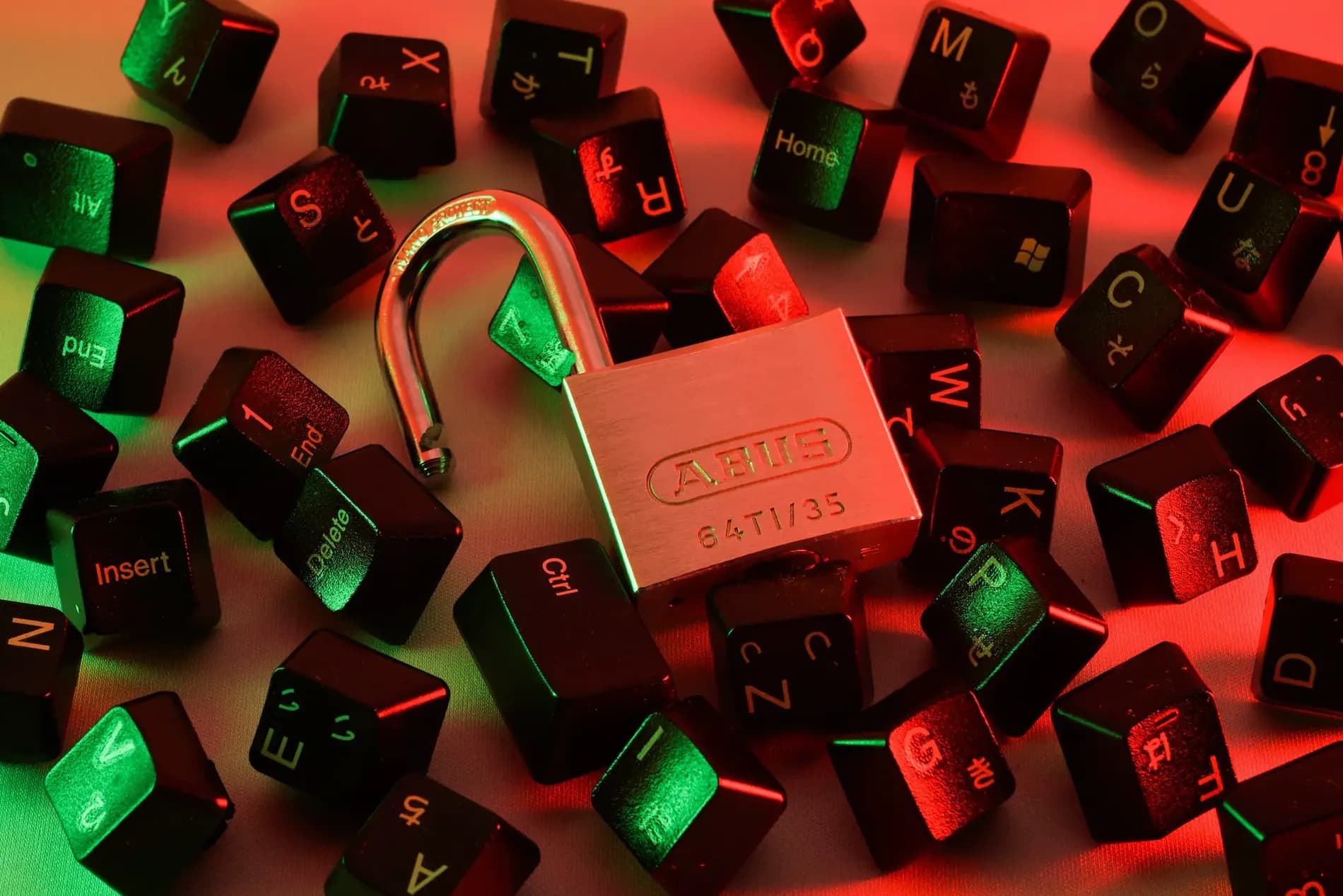
What are the essential security points to respect on your website? Scroll tells you everything.
In the digital age, where a significant part of our lives takes place online, web security is not just a simple advantage or an additional feature—it’s an absolute necessity. Whether it’s protecting our clients’ sensitive information, avoiding costly service disruptions, or simply complying with current regulations, securing our online platforms has become a top priority.
Why is website security essential?
The question arises: why do we place so much emphasis on website security? In reality, the answer lies at the intersection of three major areas: user trust, protection against cyberattacks, and regulatory compliance. Let’s explore them one by one.
First, building trust is paramount in any relationship, and the one with your users is no exception. A key part of this trust relies on your ability to ensure the security of your visitors’ personal data. Once users know they’re browsing a secure site, they’re more likely to engage, share their information, and return. A secure website fosters user loyalty and helps build a strong reputation for your brand.
Next, it’s about protecting your site from cyberattacks. Today’s digital landscape is a silent battleground, filled with threats like phishing, ransomware, and DDoS attacks. Securing your website isn’t just a preventive measure—it’s an active defense against these ever-present threats. Strong security helps preserve your site’s integrity and ensures its continuous availability.
Finally, regulatory compliance is another key factor. Many jurisdictions enforce strict data protection laws, such as GDPR in Europe. Non-compliance can lead to severe fines, not to mention potential reputational damage. Securing your website is an essential way to comply with these laws and protect your business.
The risks of an unsecured website
The risks are real, numerous, and can have disastrous consequences.
To start, online threats are abundant. Phishing, for example, is a deceptive tactic used to obtain confidential information, such as passwords or credit card numbers, by posing as a trustworthy entity. Malware, on the other hand, is malicious software designed to infiltrate and damage systems without the user’s knowledge. Meanwhile, DDoS (Distributed Denial of Service) attacks flood your site with traffic until it collapses under the load, making your site inaccessible to legitimate users. Each of these threats can severely damage your site if proper security measures aren’t in place.
But beyond technical threats, failing to secure your site can have serious consequences for your business. Consider your reputation. Today’s consumers are increasingly aware of online security issues, and a security incident can quickly erode the trust they have in your brand. Additionally, the loss or theft of sensitive data can lead to significant financial losses, both in terms of remediation costs and lost revenue due to business interruption.
Key points for website security
Securing your website may seem like a daunting challenge. But by following a few key steps, you can significantly strengthen your site’s protection against cyber threats. Let’s look at the essential measures.
Choosing a secure website platform
The choice of your website platform is a critical aspect of its security. Platforms like Wordpress, Joomla, Drupal, and Webflow offer different levels of security. For example, while Wordpress is extremely popular, its widespread use makes it a prime target for cyberattackers. Joomla and Drupal, although they have robust security features, require a certain level of technical expertise to optimize these settings. Webflow, on the other hand, while newer to the market, has prioritized ease of use without compromising security.
Regularly updating software and plugins
Outdated software and plugins can leave doors open to cybercriminals. That’s why it’s crucial to keep them up to date. Each update typically includes security patches that strengthen your site’s protection against emerging threats. So, be sure to check for updates regularly and install them without delay.
Using secure connections (HTTPS)
HTTPS, or Hypertext Transfer Protocol Secure, is the secure version of HTTP. It ensures a secure connection between the web server and the user’s browser, guaranteeing the integrity and confidentiality of the data exchanged. Using HTTPS has become a standard for all websites, and it’s even favored by search engines for page ranking.
Strong passwords and two-factor authentication
Strong passwords are your first line of defense. Avoid obvious or easily guessable passwords and opt for complex combinations of letters, numbers, and symbols. Additionally, two-factor authentication, which requires a second authentication element in addition to the password, adds an extra layer of security by making unauthorized access to your site more difficult.
Why Webflow stands out in website security
There are a vast number of content management systems (CMS) available today, but not all are equal when it comes to security. Webflow, a platform for designing visually impressive websites, stands out for its ability to combine ease of use with robust security. But how exactly does it compare to other popular CMS platforms like Wordpress?
First, Webflow seamlessly integrates high-level security features without requiring users to have in-depth technical skills. For example, every site built on Webflow automatically comes with a free SSL certificate, ensuring secure HTTPS connections. In comparison, setting up an SSL certificate on Wordpress may require additional steps, especially if your site is hosted on a third-party server.
Additionally, Webflow hosts all sites on its platform in a secure server environment that is continuously monitored to actively detect and prevent threats. This approach contrasts with Wordpress, which allows users to host their sites on a server of their choice, potentially opening the door to security risks if the chosen hosting isn’t optimized for security.
Finally, Webflow handles all security updates centrally. This means users don’t have to worry about manually updating plugins and themes to patch potential security vulnerabilities—a task that can be time-consuming and technical on platforms like Wordpress.
Need a 100% secure website? Turn to the Scroll agency
At Scroll, website development is our specialty! Thanks to our Webflow agency, we develop ultra-high-performance, beautifully designed, and highly secure websites every day that perfectly meet our clients’ expectations. If you have a website project, don’t hesitate to contact us!